Table of Content
Also, oil-based finishes tend to amber over time. And that will affect the color of the seats. Depending on the final look you want, this may or may not be an issue.

The problem with wiping is that you are essentially applying a very thin coat. So it is just going to follow the contours of the surface. So you might try applying a thicker coat by wiping and seeing if that improves things.
Bring back the Surface Book
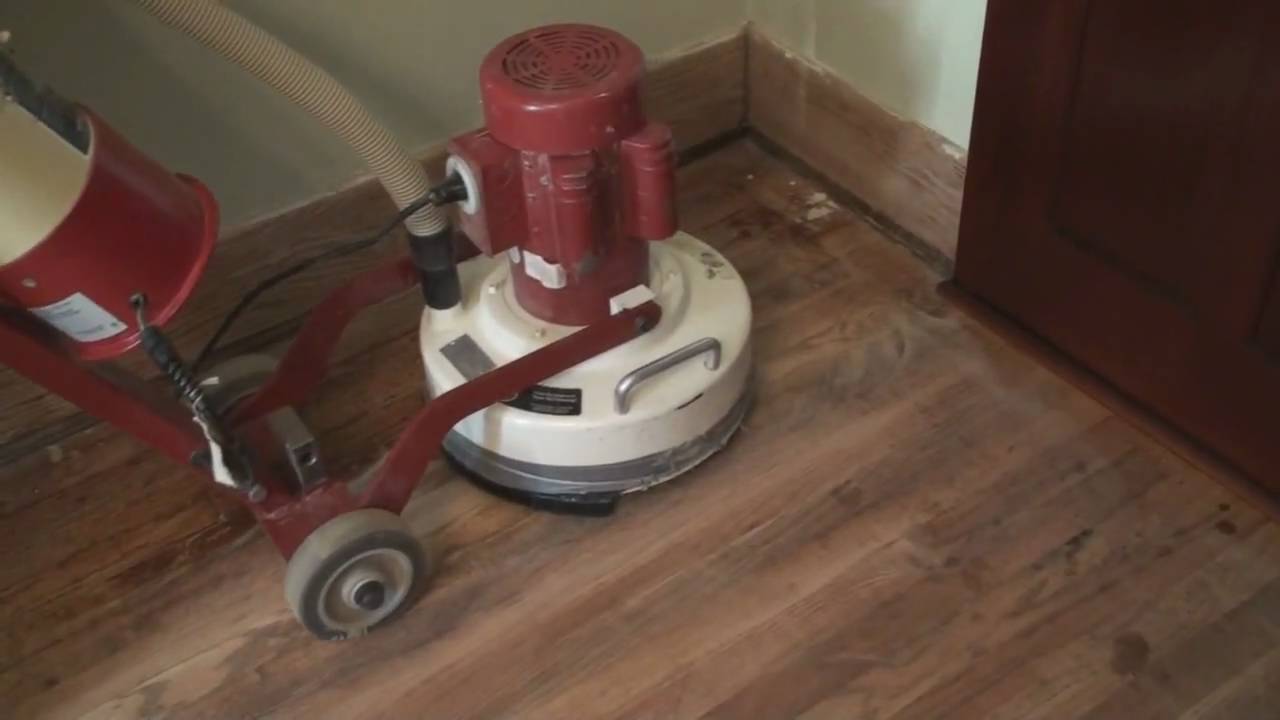
Sand first to rough up polyurethane finish I will primer with Zinns and then 2 coats of paint. Oh dear, that sometimes happens when either the floor is not properly prepared (sanded, etc.) or when the actual paint application is not done in a uniform manner. Anyways, you can try sanding the thicker areas with a fine grit and then touching it up with the paint. As for the sealants, check out the Winmax range .

So in some climates , you’ll be able to apply as many as three coats per day. Just remember that when you use a wipe-on urethane, you aren’t trying to flooding on a real thick layer. You are just coating the surface evenly with a thin wet film. My question is what is the best type of finish for my project. I’m making a solar powered waterwheel for my yard. The wood in direct contact with the water is PT wood.
What Types of Hardwood Floors Can Be Painted?
There is a lot of confusion when it comes to applying a “primer” to wood floors, especially when you are using paint. Let me help you understand this clearly and hopefully you can share this with your friends. Rying to improve the appearance of your hardwood floors can often feel rather daunting, even downright scary. After all, they often cost a fortune and the thought of painting them can make most people nervous, especially if you mess it up.
Oil is great, but I am surprised that the latex didn’t hold up. Before you commit to the oil , maybe investigate if the latex product you used was a decent quality, maybe the hardware store misinformed you. My plan was to sand back the entire floor and paint.
Painted Wood Floors, Everything You Need To Know
Follow the manufacturer’s insstructions for application. Sanding between coats is usually good idea. I hate to say it buddy but you might be looking at a strip and refinish. If you didn’t wipe back the stain, curing can be a major problem.
You can certainly switch to Epifanes if you want to. Just give the surface a light scuff sanding with 320 grit paper, wipe off the dust, then proceed with the Epifanes coats. Though with the Helmsman already in place, you might just leave it alone.
How is technological innovation breaking down barriers and increasing access to financial services?
So just test a small area to see what happens to the haze when some varnish is added to the surface. If you don’t see an improvement, quickly wipe it off so it doesn’t dry on the surface. Just make sure you clean the surface really well and possibly even give it a coats of dewaxed shellac to seal off any of the natural oils in the wood.
Should I stir it with a drill attachment paint stirrer or would that cause more problems? I would really hate to have to throw away 3/4 of a gallon so would appreciate any help you could send my way. Unless the varnish has oil added to it, I don’t recommend wiping it off. Usually with furniture, you can sand your finish coat flat after you apply a coat or two of the finish. So any little dips or valleys will be taken care of.
Or if the finish is thicker in one area vs another it can appear uneven. This is something that can easily happen if wiping the finish on. So a solution might be to simply lightly sand the surface and then hit it with another thicker coat. Perhaps even ease up on the dilution. Only dilute enough to make the solution easy to apply.
I don’t know if the can wasn’t closed tightly or what happened. I was able to break through the hard coat and tried to mix it all up as best I could but now I have small ‘chunks’ of the jell that gets on my wood work. Is there anything I can do to eliminate this?
But if you wind up with any brush marks, you’ll still be able to see them after your wiped-on coat. So if it were my house, I would simply give the windows a few coats of an oil-based wiping varnish. Minwax is probably the easiest to find. But if you DO decide to finish it, I would apply very light coats, diluted with naptha. Hopefully that will help it cure faster. But again, recommending that goes against my better judgment.
Many are rapidly accelerating their journey to the cloud. Some customers are doing some belt-tightening. What we see a lot of is folks just being really focused on optimizing their resources, making sure that they're shutting down resources which they're not consuming. By the way, they should be doing that all the time. The motivation's just a little bit higher in the current economic situation. You do see some discretionary projects which are being not canceled, but pushed out.
The flatteners will settle fairly quickly. But keep testing on small areas , until you get it right. Buy enough poly brushes and toss them if they get saturated with varnish.




No comments:
Post a Comment